Introduction
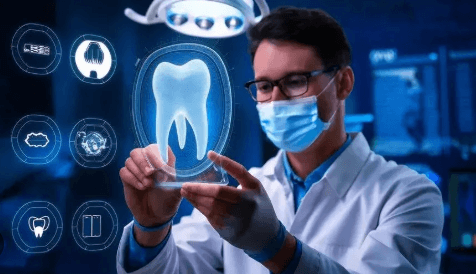
In an age where technology can transform almost every facet of healthcare, dentistry is no exception. Enter Nerovet AI Dentistry, an innovative artificial‑intelligence platform designed to enhance and reshape how dental care is delivered. Instead of being purely equipment‑driven or manual, the dental practice of the future may be intelligent, data‑supported and patient‑centred. This article explores how Nerovet AI Dentistry works, why it matters for both patients and practitioners, what benefits and challenges lie ahead, and how it may drive a smarter, safer era of oral health.
What is Nerovet AI Dentistry?
Redefining dental care with machine learning and imaging
At its core, Nerovet AI Dentistry is a system that uses machine learning, deep‑learning algorithms and advanced image recognition to assist dental professionals in diagnosis, treatment planning, risk assessment and patient engagement. Rather than relying solely on human interpretation of X‑rays, CBCT (cone‑beam computed tomography) scans or intra‑oral photographs, this platform analyses large datasets, identifies patterns, flags abnormalities and suggests evidence‑based treatment pathways.
Why is “AI dentistry” important?
Dental care has traditionally been reactive: patients present when they feel pain or see visible changes, clinicians interpret symptoms and imaging, plan treatment and follow up. But with AI‑assisted tools like Nerovet:
- Conditions can be detected earlier, sometimes before symptoms surface.
- Treatment planning becomes more personalised, taking into account each patient’s anatomy, history and risk profile.
- Workflow and diagnostics get more efficient, freeing up time for patient‑care rather than paperwork.
In short, Nerovet AI Dentistry signals a shift from manual, one‑size‑fits‑all dental care toward predictive, data‑driven and patient‑tailored oral health.
How Nerovet AI Dentistry Works
Understanding the mechanics helps appreciate its promise and limitations.
1. Data Acquisition
Dental clinics capture digital images—panoramic X‑rays, CBCT scans, intra‑oral photos—as well as patient records and treatment histories. Nerovet supports integration with these digital formats.
2. Image & Data Processing
Once uploaded, the AI uses neural‑network models trained on thousands of prior cases to:
- Recognise tooth structure, root morphology, bone density, gum status.
- Detect signs such as micro‑cavities, initial bone loss, root fractures or periodontal changes that may be less obvious to the human eye.
3. Automated Reporting & Risk Assessment
The system produces structured reports. These may highlight:
- Areas of concern (e.g., emerging caries, early gum recession).
- Risk predictions (e.g., likelihood of implant failure, progression of periodontal disease).
- Visual simulations of treatment outcomes (for example in orthodontics or implants).
4. Treatment‑Planning Support
The clinician reviews the AI findings and uses them to craft a treatment plan. The platform may suggest optimal implant positioning, aligner movements, restorative fit or periodontal maintenance schedules.
5. Continuous Learning & Monitoring
As more cases are processed, the system refines its predictions, adapts to new data, and assists in monitoring over time—supporting preventive dentistry rather than just reactive care.
Key Applications in Dental Practice
What kinds of dentistry benefit from Nerovet AI? Here are several areas:
Radiographic & 3D Scan Interpretation
AI can rapidly analyse X‑rays or CBCT images, flagging:
- Hidden decay under enamel.
- Early bone‑loss patterns.
- Impacted teeth or unusual anatomy.
This speeds up diagnosis and helps detect issues before they escalate.
Orthodontics
In alignment corrections, the AI can simulate tooth movement, plan for optimal aligner or bracket placements, and forecast treatment time‑lines based on individual anatomy.
Implantology & Restorative Dentistry
For implants and restorations:
- Bone density mapping supports safe implant placement.
- Digital impressions analysed by AI support crowns, bridges and veneers that fit more precisely, reducing adjustments and remakes.
Periodontology & Preventive Dentistry
Early detection of gum‑disease risk and monitoring of tissue changes over time enable interventions before major damage occurs. This shifts the model to preventive care.
Practice Workflow & Patient Engagement
Beyond clinical diagnostics, Nerovet AI also streamlines tasks like scheduling, reminders, patient education via visualisations (e.g., showing expected treatment outcomes). These tools improve the patient experience and clinic efficiency.
Benefits: Why Smarter, Safer Dental Care?
Improved diagnostic accuracy
By identifying patterns that human eyes might miss or taking into account large datasets of outcomes, Nerovet AI Dentistry raises the bar for diagnostic precision.
Efficiency and cost‑savings
Faster image interpretation, fewer unnecessary procedures, better resource allocation mean cost control is improved—both for clinics and patients.
Personalised treatment planning
Each patient’s oral anatomy, risk factors and history can be fed into the AI to craft a tailored treatment plan rather than a generic one. This enhances outcomes and satisfaction.
Enhanced patient experience
With visual simulations, clearer explanations, and shorter chair time, patients feel more engaged and less anxious. Transparency fosters trust.
Preventive care focus
Moving from “fix when it breaks” to “detect before it develops” is a major shift. AI enables prediction of future issues and early management.
Challenges & Considerations
No technology is without caveats. To adopt Nerovet AI Dentistry (or similar systems) responsibly, clinics must address several issues:
Data privacy and security
Dental records and imaging contain sensitive personal health information. Ensuring compliance with frameworks like GDPR, HIPAA (or equivalent local standards) is crucial.
Integration with existing workflows
Adopting AI means modifying clinic workflows, training staff, updating software/hardware. Without proper planning, it may disrupt rather than enhance operations.
Cost and accessibility for smaller clinics
Initial investment may be high. Smaller practices may lag behind larger ones in access to advanced AI tools, risking disparity.
Reliance on human oversight
AI should support—not replace—the clinician. Human judgement, manual skills and patient empathy remain essential. Overreliance on AI could be risky.
Bias and accuracy limitations
If the AI was trained on a non‑diverse dataset, or if imaging quality is poor, predictions may be less reliable. Continuous validation is necessary.
The Future of Dental Care: Smarter, Safer, More Accessible
Looking ahead, the trajectory of Nerovet AI Dentistry (and dentistry at large) suggests the following trends:
Real‑time diagnostics and chair‑side decision support
Dentists may soon receive AI feedback instantly while the patient is still in the chair: “Here’s what I’m seeing, here’s the suggested treatment”. This speeds up decisions and improves safety.
Remote consultations and tele‑dentistry
With AI‑generated reports and visualisations, patients could send images from home and receive feedback or triage without initial in‑person visits. This enhances access especially in underserved regions.
Wearables & home‑monitoring integration
Imagine smart toothbrushes or oral sensors syncing with cloud‑AI systems to monitor gum‑health, enamel wear, or early signs of issues, prompting alerts to dentists proactively.
Enhanced patient education and shared decision‑making
Interactive 3D visualisations generated by AI let patients see what is happening inside their mouths and what future treatments may look like, boosting informed consent and engagement.
Democratisation of high‑quality care
As AI tools become more affordable and cloud‑based, smaller clinics or rural practices may access diagnostics and planning previously only possible in major centres—reducing disparities in oral health.
In sum, dentistry is shifting from reactive and procedure‑driven to predictive, personalised and patient‑centric. Nerovet AI Dentistry is one of the technologies leading this evolution.
Conclusion
The integration of artificial intelligence into dental care through platforms like Nerovet AI Dentistry heralds a new era: smarter diagnostics, safer treatment planning, improved efficiency and heightened patient engagement. While challenges remain—particularly around data security, cost and workflow integration—the benefits are compelling. For dental practices willing to invest in innovation, and for patients desiring modern, transparent, tailored care, this is the future of oral health. Embracing machine‑learning tools does not diminish the role of the dentist—it elevates it, enabling clinicians to apply their skills more strategically and compassionately. The result: healthier smiles, fewer surprises, and a dental experience shaped by precision, care and trust.
Read Also: ETSGAMEVENT Registration | Easy Sign Up & Complete Guide
FAQs
Q1: Does Nerovet AI Dentistry replace the dentist?
No. It is a decision‑support tool. The clinician still interprets findings, applies judgement and executes treatment. AI enhances, but does not substitute, human expertise.
Q2: Can this technology detect cavities before I feel pain?
Yes. One of its strengths is early detection of issues such as micro‑cavities or bone changes that may not yet cause symptoms.
Q3: Is it safe and accurate?
It has been shown to improve accuracy and speed of diagnosis, but like all tools, accuracy depends on image quality, proper workflow and clinician validation.
Q4: Will it reduce costs for patients?
Potentially yes—by catching issues earlier and avoiding complex treatments, costs may drop. But initial implementation costs in clinics may affect pricing.
Q5: How soon will this technology be available in general practice?
Many clinics are already integrating AI tools like Nerovet. Widespread adoption will depend on cost, training, regulatory compliance and infrastructure, but we are already seeing early deployments.